
Reliable Septic & Wastewater Pumping in Minnesota
Serving Otter Tail, Grant & Wilkin Counties with Fast, Certified Service Locally owned. State licensed. Multiple trucks on the road for quick response.
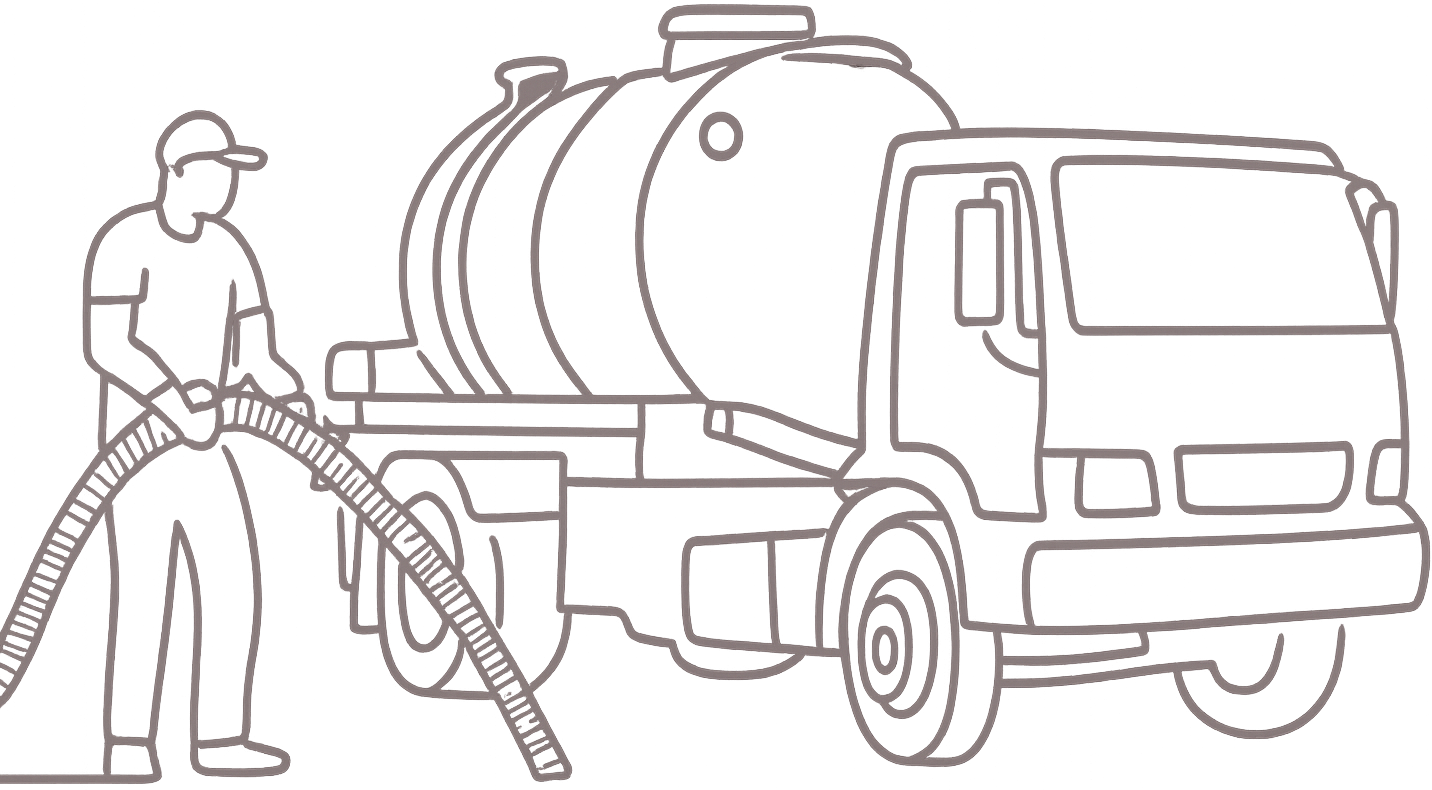
Septic & Wastewater Pumping in Minnesota
Nature’s Call Septic Service is a locally owned and operated septic pumping and vacuum truck service company based near Fergus Falls serving Otter Tail, Grant, & Wilken Counties. We specialize in pumping and cleaning type 1 and type 2 septic tanks, holding tanks, wastewater, liquid sewage/sewer waste, ponds and any non-hazardous liquids. With multiple trucks on the road, we provide fast, reliable, and affordably priced pumping services to both residential and commercial customers.
Septic tank cleaning must be done by a licensed professional septic company like Nature’s Call Septic Service, Inc. We are licensed and certified by the State of Minnesota and all our services comply with DNR, MPCA, and EPA rules and regulations. We provide clean, professional services from start to finish.
To schedule service please call 218-739-4320 or fill out our online contact form.
Septic tank Pumping
We specialize in septic tank pumping and cleaning for tanks of all sizes.
Holding tank Pumping
We can pump out non-hazardous wastewater holding tanks of all sizes.
RV Park Septic Pumping
We have the capacity to pump out large RV park septic systems, as well as travel trailers.
Lift Station Pumping
We have the capacity to pump out large RV park septic systems, as well as travel trailers.
Lift Station Repair
Vacuum Truck Services
- Septic Tank
- Holding Tank
- Wastewater Pumping
- Septic Tank
- Holding Tank
- Wastewater Pumping
- Septic Tank
- Holding Tank
- Wastewater Pumping
- Septic Tank
- Holding Tank
- Wastewater Pumping
Trusted Septic Care for a Cleaner, Safer Environment
Licensed by the State of Minnesota and fully insured, Nature’s Call delivers expert septic system maintenance that protects your home, water supply, and the environment. Our certified team ensures legal waste disposal and long-term system health through routine service and compliance with DNR, EPA, and MPCA standards.
Septic Services
A professionally designed, constructed, and maintained septic system can provide long-term, effective treatment of your household water. Routine maintenance will help to keep your system healthy while protecting the water supply and the environment for years to come.
Septic System Basics
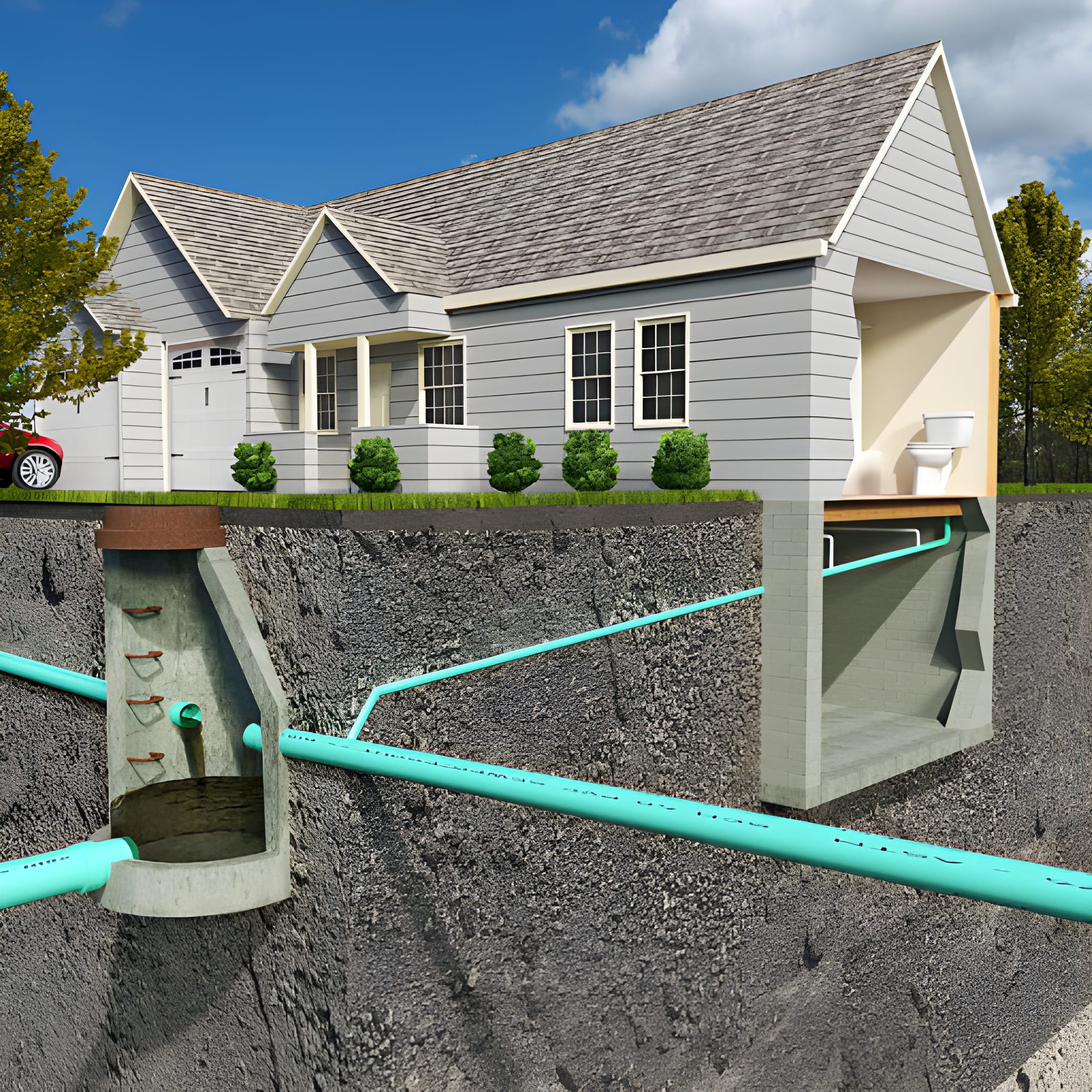
Over 25 percent of Minnesota households use on-site sewage treatment systems, commonly referred to as septic systems, to treat their wastewater. Proper treatment of sewage recycles water back into the natural environments with reduced health risks to humans and animals and prevents surface and groundwater contamination.
Frequently Asked Questions
How often should a septic system be cleaned?
We recommend septic tanks be pumped every two to three years. This interval is designed to maximize the life of your drainage system. Keep in mind, it is much cheaper to pay for routine maintenance than for a new drainage system, not to mention the damage that will be done to your yard if you must have it replaced.
Where is my septic system tank located?
Go down to your basement and find where the main drain exits through the foundation (it will generally be a four-inch cast-iron or PVC pipe). Go outside and measure 11’ out from the foundation of your home in the spot the pipe goes through the wall. Generally, your inlet cover will be located here about 6″ to 2′ underground.
Can you help me locate my septic tank?
If you cannot find your tank using the technique mentioned above, our technicians can try to locate it for you with probes & shovels they carry on the trucks, for a nominal fee.
What causes the thick crust in my septic tank?
The crusting is organic material that has congealed into a solid mass. This condition may indicate a bacterial deficiency. Your tank needs pumping.